
Digitization
What is the situation for SMEs?
Digitalization is progressing at a rapid pace. Can small and medium-sized companies keep up? Andreas Hoberg, Chief Sales Officer at Ingenics, talks about the status quo and the opportunities and risks involved in implementation.
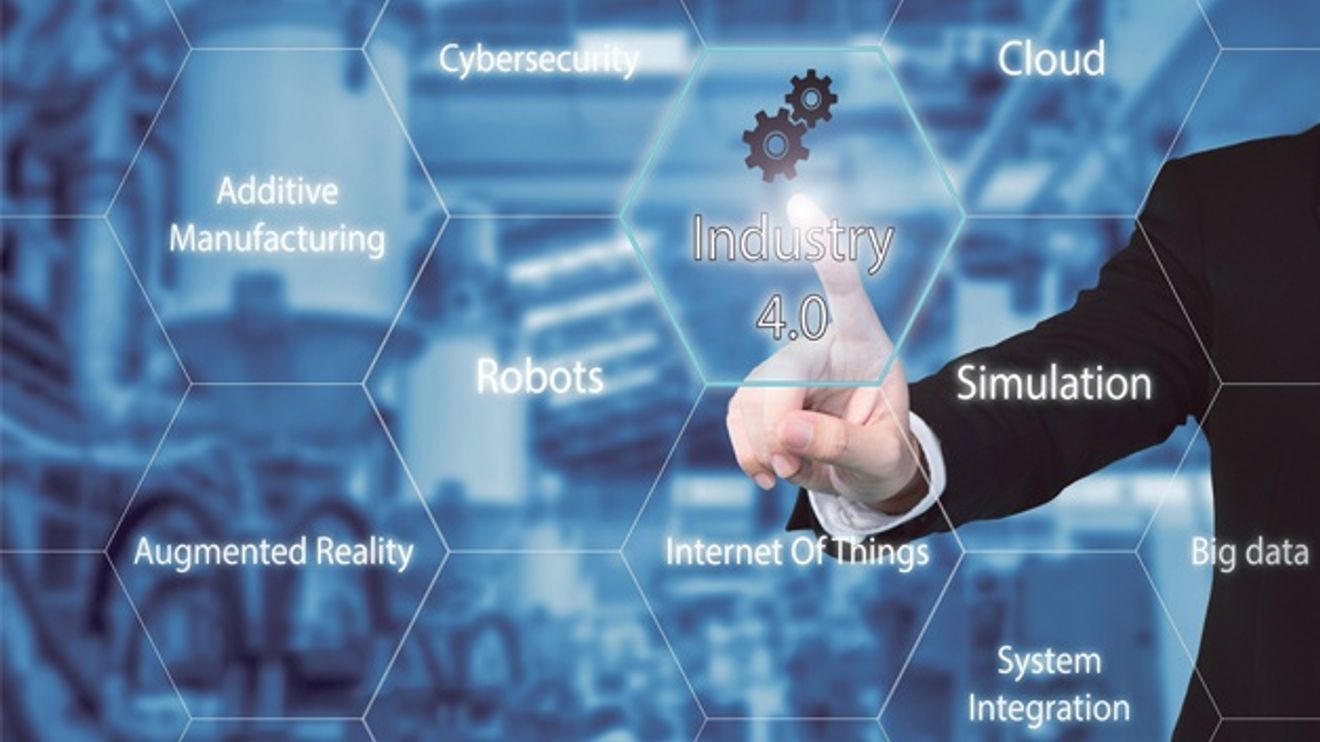
Mr Hoberg, how are SMEs in Germany faring when it comes to digitalization?
Andreas Hoberg: While a lot has actually happened in large companies and we are seeing numerous solutions and applications being implemented for the first time, little has changed in many SMEs. Of course, we are seeing SMEs that are determined to implement something, that are taking an innovative approach to digitalization and are already doing great things - for example by expanding their business models or digitalizing their own processes. However, there are still many who simply want to wait and see what happens and only make selective changes. And a significant proportion of companies claim that they first need to focus on other issues such as recruitment.
The bottom line is the result of the many discussions we have had: The topic of digitalization is present in all companies, many have already done something, but systematic, consistent implementation is still lacking in most cases.
Where is the biggest problem - the technical or the personnel requirements?
Andreas Hoberg: Both. Recently, for example, a customer reported that they wanted to network two systems in their medium-sized supplier company, but they were so close together that the many sensors caused interference, which affected the entire control system.
When it comes to personnel, there is often a lack of courage to try things out - especially where it is believed that the topic of digitalization should be left to a specific group of people, usually the IT department. The better solution may be to rely on committed volunteers from all kinds of departments who work together on an interdisciplinary basis and bring external experts on board as required to support the digital transformation.
Where do you see the most room for improvement?
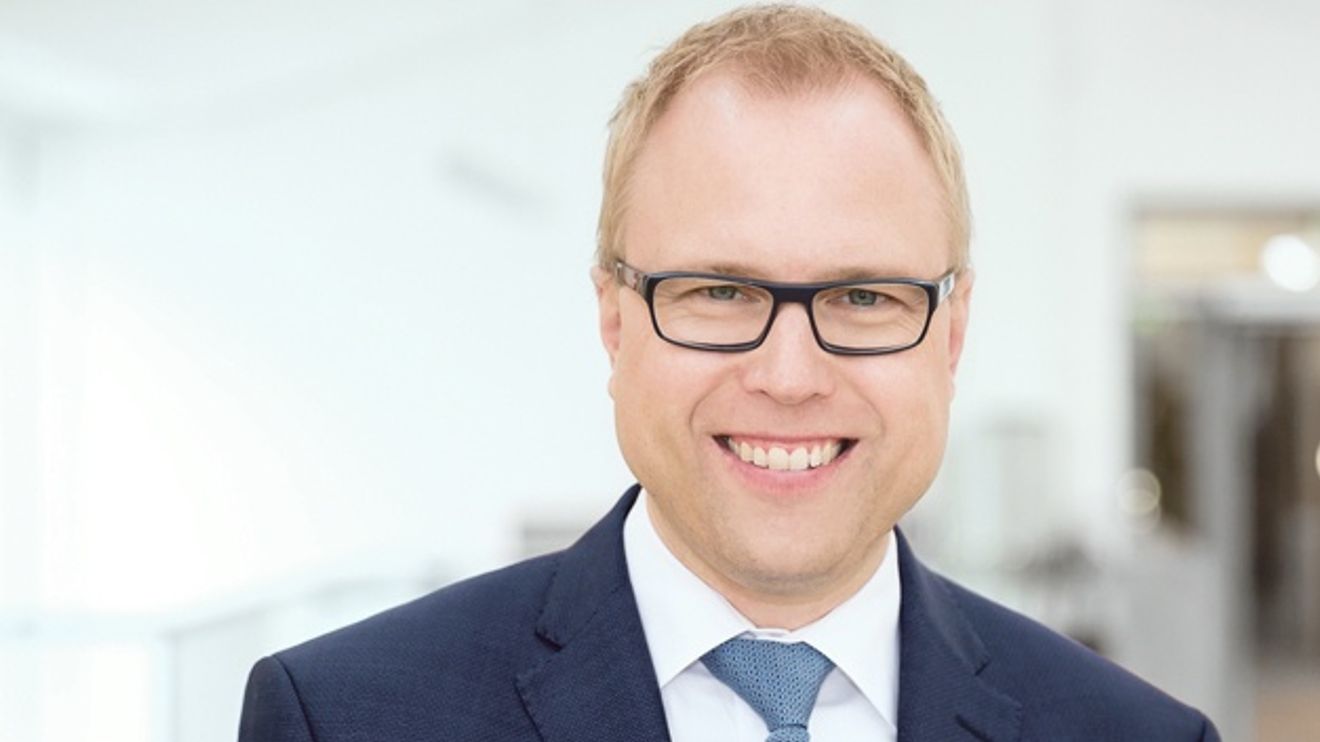
Andreas Hoberg: The need for orientation is and remains great. Yes, many companies are currently investing in new factory buildings on 'greenfield sites', where the Industry 4.0 idea is being implemented across the board on the basis of a master plan. While you ideally get everything immediately in such a new building, you can lose track of things when transforming existing structures, so that you don't achieve consistency and fail to leverage the potential of the smart factory.
And this is precisely where those responsible should have more courage to structure the transformation process in existing structures on the basis of a master plan, whereby increasing efficiency must be a guiding principle that ultimately justifies the investment. We are of the opinion that the desired increase in efficiency - usually in the region of 30% or more - can also be achieved in existing buildings.
What risks do SMEs see? Why are they hesitant?
Andreas Hoberg: The top risk they see is still data security. What happens to which data? Who accesses what? The second risk is that there is a lack of employees who can manage these issues and they are hard to come by. The third is the question of meaning: what's the point?
In fact, however, there are no relevant risks because implementation generally leads to positive experiences.
Can you give us a specific example of implementation?

The Production Cockpit 4.0 from Ingenics automatically networks and processes the relevant data and key figures from a wide variety of sources and prepares them in a clear format.
© IngenicsAndreas Hoberg: Yes, I'm thinking spontaneously of the Ingenics project at Medic in Bülach, Switzerland, to generate business intelligence by using and linking existing data. We have developed a shop-floor management system for the future, which we call 'Production Cockpit 4.0'. As with many companies, Medic had large amounts of data available that remained unused, even though their exploitation could have contributed to the generation of directly effective business intelligence and thus to the optimization of production and logistics. The effect of their use via a production or logistics cockpit 4.0 is resounding. The desired results - basic principles, data availability and use, systematic work with key figures - were described in a 'Business Intelligence target image'. The provision of real-time relevant information on key figures, which are made available on tablets directly at the machine, increases productivity by up to 15%. Thanks to the new transparency, identified weak points are in focus and can be processed without delay.
What opportunities does digitalization offer you?
Andreas Hoberg: Firstly, it gives us the chance to discuss strategic issues with companies, as we haven't had enough time to do so to date. Secondly, this situation also allows us to offer concrete solutions, for example in the form of dashboards or big data models, in order to work out even more benefits.
I see the function of a 'transformation bridge' as an important future task for us, helping industrial users to find the best value-adding system for them, to build up system expertise themselves, but also to decide when, where and under what conditions it makes sense to integrate external solutions.
What are the big issues that companies should address in the near future?
Andreas Hoberg: A big question in the future will be: Will companies also get decision points automated? Digitizing a process and bringing it into a workflow is one thing; automating a decision is something else again. That's the next big thing that's coming.
Is it going in the direction of artificial intelligence?
Andreas Hoberg: Yes, a simple example is the vacation request. When I ask whether the vacation application is already digital, most of our customers say: It's on the intranet, so anyone can fill it out directly. The fact is, however, that although this is a first step, the system does not recognize and compare who or how many colleagues have already taken leave. This would only be intelligent if leave was approved automatically and managers were only involved in the event of a conflict.
Process digitization is not the end of the story. This simple example shows us that - or how - potential can be leveraged by automating decisions.
Another important aspect of implementing digitalization across the board is that customers need to engage with end users and integrate their insights into their strategy. If you are smart, you will adapt your business model digitally so that you digitize both processes and products.


You might also be interested in
The first steps towards digitization
Real-time transparency in the material flow: this was the goal set by Miba when it set out to digitalize its internal logistics processes. But how successful was the close link between ERP and MES in the end? - A field report.
 read more...
How will the IoT change companies in 2020?
How will network technology in companies change in 2020? Axel Simon, Chief Technologist at HPE Aruba, takes a look into the crystal ball
read more...Digital twin revolutionizes maintenance
As virtual representatives of real machines, digital twins open up new possibilities for maintaining and servicing complex industrial plants and systems. A project report.
read more...You can't do without Edge and Swarm
The IoT has changed the requirements for processing data provided by machine sensors and actuators. This needs to happen as quickly as possible - preferably where the data is generated. Edge nodes and swarm computing systems take on this task.
read more...Online machine data under control
Turning huge amounts of data into valuable information - how can this smart industry approach be implemented? Linking PC-based controllers with Matlab and a cloud-based IoT analytics service can be a viable approach.
read more...From modeling directly into the PLC
Despite digitalization and I4.0, the technical functions in a process plant do not become simpler if you break them down to the smallest detail. Nevertheless, the high level of difficulty can be overcome by combining the right tools in the right way.
read more...Where are the new business models?
The necessary new business models are repeatedly cited as the hallmark of an Industry 4.0 environment. But to date, very few companies have seen any of this. Schneider Electric now has a few models up and running.
read more...Why predictive maintenance?
Investments in predictive maintenance systems are worthwhile in order to proactively detect damage. Not only does this increase the service life of a machine, it also opens up new business models for machine manufacturers.
read more...First customer projects via BaSys 4.0
The BMBF project 'Basissystem Industrie 4.0' expired at the end of June 2019. Together with NetApp and Objective Partner, Fraunhofer IESE now offers Industry 4.0 solutions with support and adaptation to customer systems on the basis of this project....
read more...