

Siemens and Microsoft
Facilitate the replacement of digital twin models
Siemens and Microsoft are working together to facilitate the exchange of digital twin models and data. To this end, they are merging Digital Twin Definition Language with the W3C Thing Description Standard.
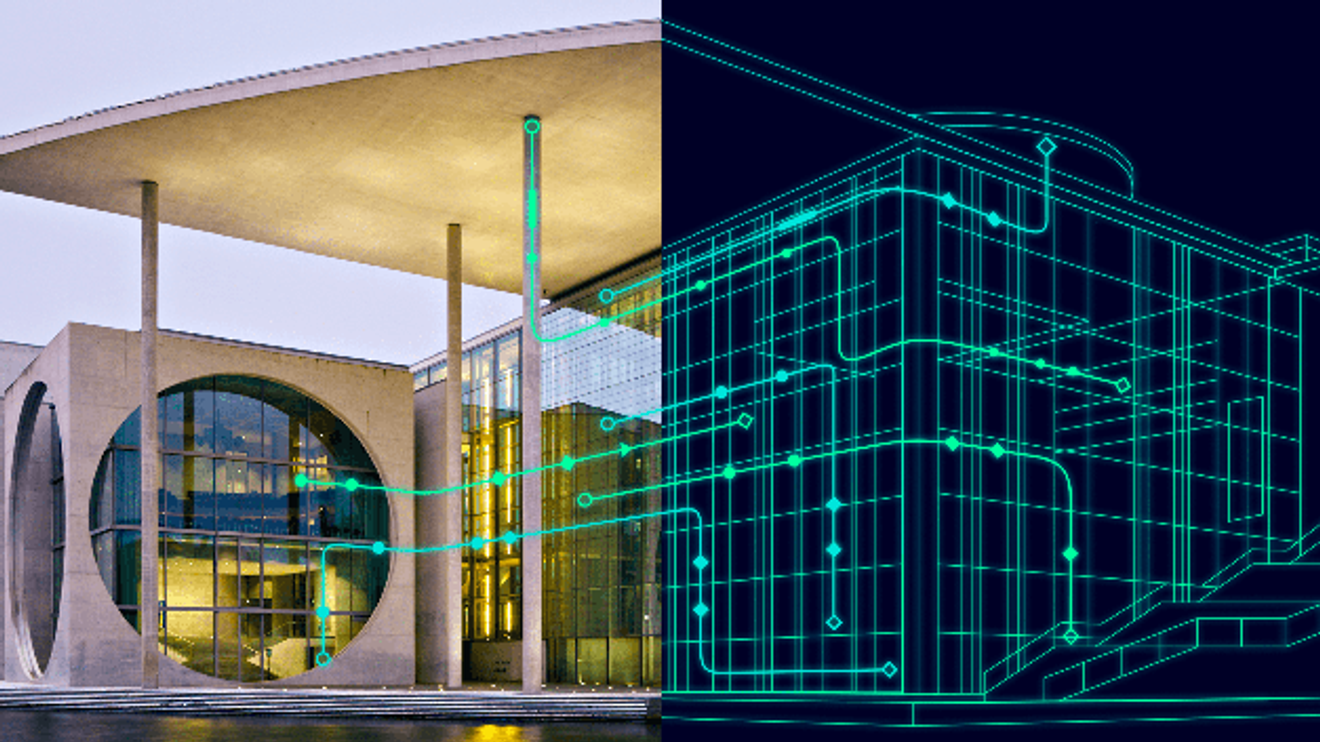
Together with the W3C consortium, Siemens and Microsoft will merge the Digital Twin Definition Language (DTDL) with the Thing Description Standard of the international standardization organization W3C.
Siemens already supports the W3C Thing Description Standard for future products in the areas of building management, energy distribution and smart grids. According to Siemens, users will benefit greatly from the extension of this interoperability strategy to Microsoft Azure.
Microsoft's Digital Twin Definition Language enables the modeling of the physical world with Azure services, while the W3C Thing Description Standard ensures an interoperable representation of device interfaces and their integration into standard industry ontologies. Both languages had many conceptual similarities in the initial phase of convergence.
As virtual replicas of physical objects, processes or systems that mirror their real-world counterparts in a digital environment, digital twins enable companies to monitor, predict and optimize their plant performance. This increases efficiency while reducing costs at the same time. The standardization of digital twin languages is therefore crucial for interoperability to ensure seamless communication and integration between different digital twin systems and platforms.


You might also be interested in
Manufacturing with cloud technology
Hexagon has announced a strategic partnership with Microsoft aimed at transforming collaboration across the value chain and using digital twins to accelerate product innovation.
 read more...
Connection technology for fuel cells
The Harting Technology Group presents connection technology for fuel cells and hydrogen production as well as the AI-supported development of connectors in order to actively shape the All Electric Society.
read more...Digitization through photorealistic digital twins
Framence has announced a strategic partnership with the Indian company Pratiti. The aim is to support companies in their digital transformation by combining Framence's digital twins with Pratiti's understanding of digital technology.
read more...Siemens and UL Solutions digitize certification process
For the first time, an industrial product was certified for the USA after some of the required tests were digitally simulated and the results confirmed by physical tests. This was made possible with the help of the digital twin.
read more...The digital twin in practical use
A digital twin is not only a virtual instance of a physical object, but also a universally usable IT application for adapting the requirements of a wireless modem retrofit application, as in the practical example described.
read more...Digital twin - concrete!
A defined standard for the asset administration shell is crucial for the interoperable and efficient exchange of digital twin data - so much for the theory. Nine partners showed what a specific use case looks like at the Hannover Messe.
read more...Digital Twin Consortium / OPC Foundation
The digital twin in production
The Digital Twin Consortium (DTC) and the OPC Foundation have now announced a collaboration to accelerate the development and adoption of digital twin technologies.
read more...First control cabinet made of green steel
The Siemens subsidiary Alpha Verteilertechnik claims to offer the first control cabinet for industry made entirely of green steel.
read more...Siemens quarterly figures Q3-2024
Siemens confirms forecast with a "but"
Siemens is struggling with a weakening automation market in the third quarter. The software business, on the other hand, is developing strongly. It remains to be seen whether this will continue after the switch to a SaaS model.
read more...