
CES 2023 in Las Vegas
The most important technology trends of the year
The CES in Las Vegas is one of the largest technology trade fairs in the world. This is where innovations are pompously presented and celebrated, which then provide a talking point throughout the year.
Las Vegas (dpa) - Over the past 45 years, the CES electronics trade fair has repeatedly been the scene of important technology premieres. For example, the first video recorder was shown in 1970, the first DVD in 1996 and the first televisions with the advanced OLED screen technology in 2008. In the past three years, however, the trade fair has been slowed down by the coronavirus pandemic. This year, 3100 exhibitors from 173 countries are vying for the attention of CES visitors. The key topics in Las Vegas include these trends, which could dominate the high-tech year 2023.
Artificial intelligence everywhere
At the end of 2022, artificial intelligence applications experienced a spectacular breakthrough. For example, the AI research company OpenAI released the chatbot ChatGPT, which can apparently provide intelligent answers to questions. Word quickly spread that the text generator can write essays in seconds that, at least at first glance, hardly differ from elaborately researched seminar papers. But the software robot can also imitate Shakespeare or write program code.
Text-to-image generators such as Midjourney and Stable Diffusion can already produce impressive art on command. And they continue to improve with every update. The AI trend will continue with full force in 2023. It is foreseeable that the big AI specialists such as Google, Microsoft and Meta will not leave the field to challengers such as OpenAI. But smaller providers and start-ups will also jump on the AI bandwagon.
Metaverse not just from Meta
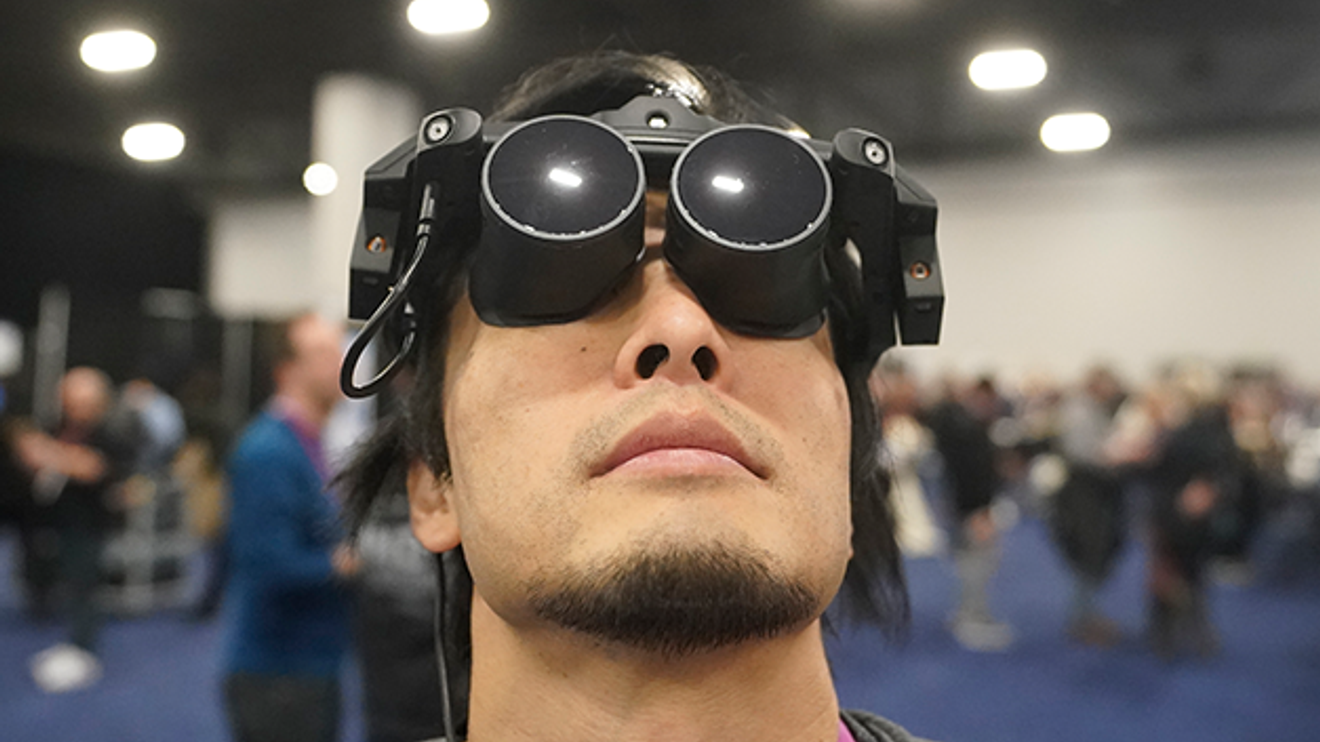
The metaverse is a digital and interactive environment that can be entered with virtual reality glasses. Users can work, play, meet or shop as avatars. However, the metaverse also includes applications in which digital information is displayed in the user's real field of vision. "For me, the metaverse is the next generation of the internet," said Steve Koenig, who is responsible for market research at the trade fair organizer, the US industry association CTA.
At the trade fair in Las Vegas, it is clear that the metaverse is not just a fixed idea from Mark Zuckerberg, who is so keen on the trend that he has even renamed his Facebook group Meta. HTC, for example, is expected to launch a rival product to Meta's Quest VR glasses. And Sony already announced before CES that the new virtual reality headset 'Playstation VR2' will be launched on the market this February. Among other things, the headset has four embedded cameras that capture the movements of the controller and the player, including their viewing directions.
Metaverse applications are also on the move: car manufacturer Stellantis and Microsoft are presenting a showroom in the Metaverse at CES. And a company called OVR is presenting a solution that can be used to convey smells in the metaverse. Apple could bring major movement to the market in 2023. Some observers are certain that the iPhone company will launch its first headset on the market this year. Apple CEO Tim Cook is enthusiastic about the "augmented reality" approach, in which digital data augments the analog world. However, Apple traditionally does not show its cards at the CES, but holds its own events.
Autonomous driving
Autonomous cars will drive much more safely through cities and the countryside than vehicles driven by humans. Virtually all experts agree on this. But when self-driving cars will finally be ready for the market is still written in the stars. Last year, the "end" of the highly regarded start-up Argo AI shocked the industry: Volkswagen and Ford stopped funding the Robocar project and wrote off 4.5 billion dollars. However, it is clear at CES that the industry has not given up on the vision of automated and autonomous cars. The companies are pursuing different technical approaches. While Tesla has long relied entirely on cameras to detect its surroundings, most other players rely on a mix of radar and laser sensors (lidar).
Tesla boss Elon Musk has announced an innovation in the automotive sector, the so-called 4D Imaging Radar. In this system, many small radar antennas are to be integrated into one system. It is said to achieve a much finer resolution similar to a much more expensive lidar system. The coming months will show whether Musk can keep his bold promises.
End of the chip crisis
During the coronavirus years, many chips were in short supply because an increased demand for electronic products disrupted important supply chains and mistakes were made in procurement policy. According to CTA manager Koenig, this could change this year. "The huge demand from the pandemic is easing. And that's good news because it means chips are finally available again," said Koenig. The excessively long lead times are slowly returning to normal, partly because more production facilities are starting up operations. For the industry, however, this could also be a harbinger of another problem: "We will move from a chip shortage to a potential oversupply."


You might also be interested in
From Multicloud to Metaverse
A whole range of exciting developments in the tech world await the industry in the new year. Dr. Thomas King, CTO of DE-CIX, has identified five trends that will shape the interconnection business and the networked world in 2023.
 read more...
5 trends for digital manufacturing in 2022
What are the most important trends for digital manufacturing in 2022? The IT service and cloud provider Syntax assumes that companies will be dealing with five important topics in particular.
read more...Converging Digital Twin Models
Siemens and Microsoft are working together to facilitate the exchange of digital twin models and data. To this end, they are merging Digital Twin Definition Language with the W3C Thing Description Standard.
read more...Facilitate the replacement of digital twin models
Siemens and Microsoft are working together to facilitate the exchange of digital twin models and data. To this end, they are merging Digital Twin Definition Language with the W3C Thing Description Standard.
read more...Vodafone and Microsoft agree on comprehensive partnership
Microsoft's share price has shot up in recent months in anticipation of good business with AI applications. Now the first major orders are trickling in. In return, Microsoft is buying telecommunications solutions on a large scale.
read more...The e-paper special: looking for products of the year 2024
They've earned it: all 96 nominated products from 12 categories in their own e-paper. Browse through the individual areas and make your personal selection. You can also find out more about the companies and their solutions in the accompanying video...
read more...AI is what we make of it
Everyone is talking about generative artificial intelligence. But what added value does it bring? How can it be integrated into industrial processes? An assessment from Microsoft.
read more...25 years of Computer&Automation - The e-paper
For 25 years, Computer&Automation has accompanied the growing influence of IT in automation technology. Ultimately, IT and automation can no longer be clearly separated. In this anniversary issue, you can read about the importance that...
read more...