
Economy
Berlin wants EU protective wall against China's company takeovers
For some time now, China has been buying up high-tech companies in Europe and Germany in order to strengthen its own industry in the Far East. The German government is now calling on the EU Commission to wake up to this issue.
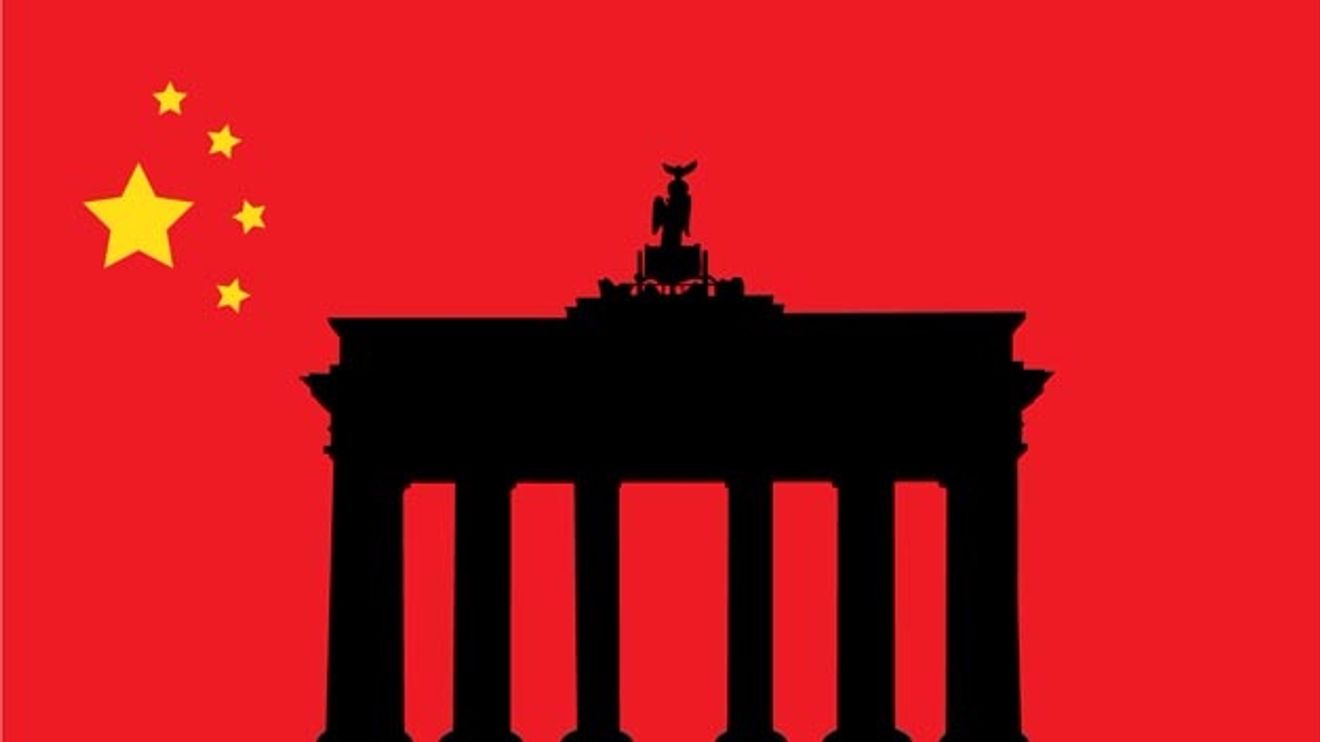
The German government is pushing for stronger veto rights for EU member states when it comes to the sale of high-tech companies to the Far East. After Germany, France and Italy made joint representations to Brussels months ago, Federal Economics Minister Brigitte Zypries is now calling on EU Commission President Jean-Claude Juncker to finally take action.
The numerous company acquisitions by Chinese investors and the associated inflow of capital prove the attractiveness of Europe as a business location and also secure growth, value creation and jobs in Germany. However, Zypries warns in a letter to Juncker, which is available to the German Press Agency, that China is concentrating one-sidedly on "industrial high and key technologies" when it comes to takeovers in Europe and Germany.
At the same time, the Chinese market remains closed to European investors in many areas. "However, open markets must not be a one-way street," emphasizes the SPD politician. The EU states should also be given the opportunity in individual cases to examine and, if necessary, prohibit "non-market-compliant, i.e. in particular state-controlled or subsidized strategic acquisitions by companies" that develop or manufacture key technologies.
Zypries and her counterparts from Paris and Rome had already sent their demands to EU Trade Commissioner Cecilia Malmström in February - with a request for concrete proposals from the Commission. Since then, not much has happened from Berlin's point of view. Zypries emphasizes in the letter, however, that she is grateful that Juncker has now taken up the issue personally. State Secretary for Economic Affairs Matthias Machnig (SPD) told dpa that the aim was not to seal off the German and European economy. "But there must be no state-directed, subsidized sell-off of key technology companies."
According to a study by Ernst & Young, there were 68 takeovers by Chinese buyers in Germany last year. They paid a total of 12.6 billion US dollars for this. That was more takeovers than in the previous ten years combined. The Chinese Midea Group, for example, bought the Augsburg-based robot manufacturer Kuka despite reservations from politicians. In contrast, the Chinese takeover of special machine manufacturer Aixtron fell through because the then US President Barack Obama said no due to security concerns. "The number of takeovers by Chinese companies has already risen significantly in 2017 compared to the previous year," Zypries announced.
The German government recently extended its national veto right against the takeover of strategically important companies by foreign investors. Further arms companies whose products, for example for "electronic warfare and the equipment required to manufacture them, are of increasing importance" are now better protected. The government also holds a protective hand over telecoms providers that offer cloud applications.
The Ministry of Economic Affairs can review a takeover if a foreign interested party based outside the EU buys at least 25% of the voting shares. This applies in particular to strategically important sectors such as telecommunications/IT, defense or electricity and water supply, where security and national interests or supply could be threatened. The ministry looks at around 40 to 50 foreign investments in Germany every year. Business associations had massively criticized the tightening of the Foreign Trade and Payments Act - immediately after the G20 summit in Hamburg, where host Germany advocated free world markets. They said this would deter investors.


You might also be interested in
SAP is the most valuable German company
According to a study by auditors PwC, the software company SAP is the most valuable company in Germany. With a market capitalization of just under 104 billion euros, the Walldorf-based company is in first place ahead of Siemens (94 billion euros).
 read more...
Industry 4.0 in China
At the beginning of April 2017, around 1,000 international experts met in Shenzhen, China, for the second China manufacturing 2025 Summit, which focused on the topic of 'Global transformation to intelligent manufacturing'. Rahman Jamal was there and...
read more...China as a lead market?
Can China develop into a leading Industry 4.0 market? Despite some misguided incentives due to government intervention, investment bubbles and overcapacity, China's innovative strength should not be underestimated: There are pioneers to learn from...
read more...New law in China affects European companies
The new cybersecurity law issued by the Chinese government came into force on June 1. Many German and European companies are very uncertain about the extent to which they are affected by the change in the law.
read more...How does China use the Internet?
Which are the most popular apps on China's consumer Internet and how do they compare with Internet usage worldwide? The Shanghai team of Stieler Technology and Marketing Consultants analyzed eight apps.
read more...China could lose the most jobs
How many jobs are threatened by automation? The data portal Statista has processed figures from McKinsey in an infographic.
read more...Kuka - the first figures after the takeover
Last year, the Chinese Midea Group acquired over 95% of Kuka shares. The Augsburg-based company has now published its first figures following the takeover - for the fourth quarter and for 2016 as a whole.
read more...Final result of the takeover bid
On August 8, Midea announced the final result of the voluntary public takeover offer of its subsidiary Mecca International (BVI) for the Augsburg-based robotics company Kuka.
read more...Dr. Olaf Munkelt becomes new Chairman
Dr. Olaf Munkelt, co-founder and Managing Director of MVTec Software, is the new Chairman of the VDMA Robotics + Automation Association. He succeeds Dr. Dietmar Ley, former CEO of Basler, who stepped down from the board for statutory reasons.
read more...