

VDMA
Growth for mechanical engineering
The VDMA has raised its production forecast for 2021 by 3 percentage points to +7%. The current coronavirus flash survey also shows this: Companies expect demand to increase. The signs are good.
Optimism in the mechanical and plant engineering sector is on the rise, reports the VDMA. This is also reflected in the current 10th Corona Flash Survey: only 7% or 27% of the 726 participating companies state that they are experiencing serious or noticeable impairments due to order losses and cancellations. In January, this figure was 14% and 39% respectively. Accordingly, one in four companies (26%) have no problems with order losses or even cancellations, while a further 40% have only minor difficulties. 24% of all companies expect further decreasing problems on the demand side. However, around a quarter of mechanical engineering companies are complaining about production problems due to bottlenecks in the supply chain. The number of companies that have registered short-time working is also falling steadily.
Production forecast raised
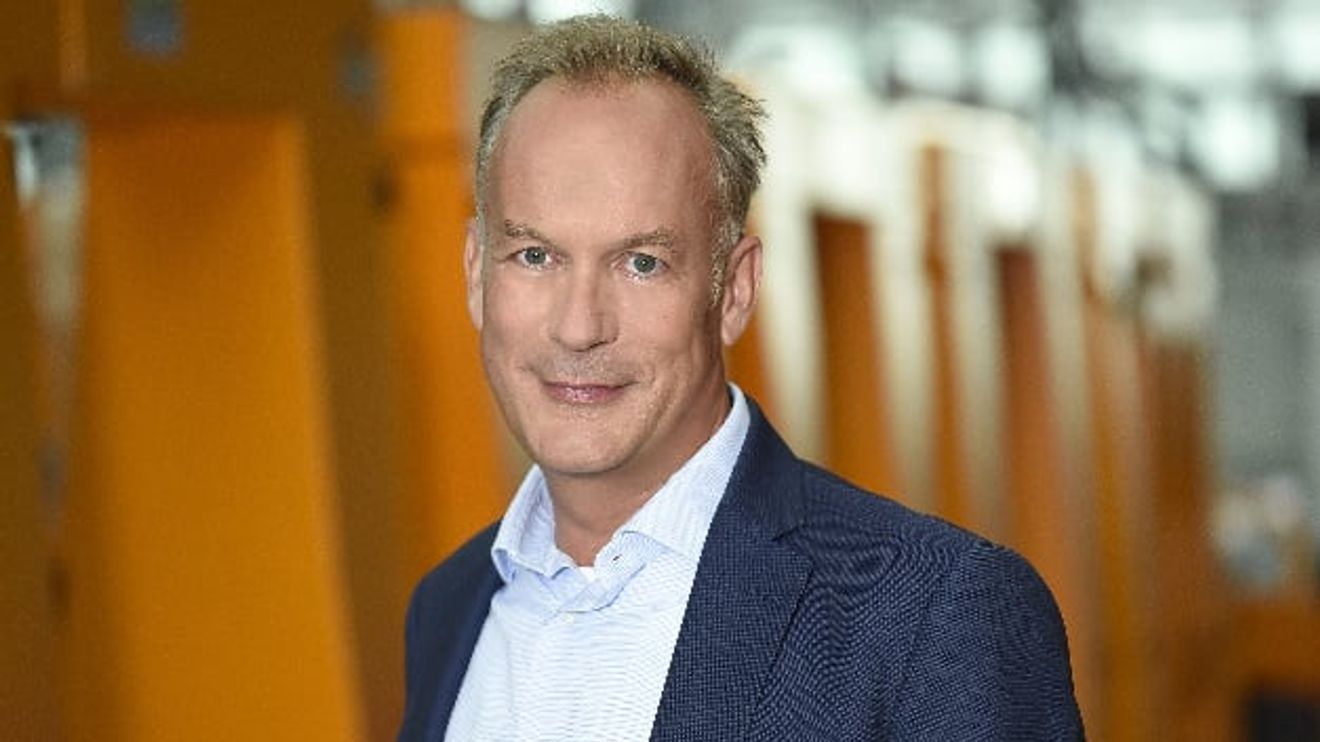
For these reasons, the association is also raising its production forecast by three percentage points to +7%. However, this is still not enough to reach the pre-crisis level. The restrictions caused by the coronavirus pandemic are still being felt. "Other disruptive factors such as recurring supply bottlenecks for certain products or the structural change in important customer industries forced by the crisis as well as the political and economic tensions between the USA and China are also causing uncertainty. However, companies in the mechanical and plant engineering sector are showing remarkable resilience even in this crisis and are taking advantage of their market opportunities," says VDMA President Karl Haeusgen, explaining the situation. "In particular, the prospects for further growth in China and other Asian countries as well as the USA are good. Incoming orders are clearly on course for growth. The chances of production growing again from the second quarter compared to the previous year are also good. We are therefore raising our previous forecast by 3 percentage points and now expect real production growth of 7% for 2021."
Mechanical and plant engineering in figures
The trend in German machine production is showing signs of recovery. After a decline of -12% last year, the VDMA expects production to increase by 7%. The production value in the German mechanical engineering sector will rise from an estimated € 199 billion in 2020 to an expected € 213 billion this year. According to the association's estimates, turnover is set to rise from €204 billion in 2020 to €218 billion in the current financial year.
You can find the latest figures in the image gallery.
USA in first place among exporting countries
In 2020, machinery and equipment worth €160 billion was exported from Germany and €67 billion was imported. Exports were therefore 12.0% and imports 13.4% down on the previous year. Exports to EU countries last year were 15.2% below the previous year's level and thus produced a worse result than total exports. Exports to the USA fell by 9.3%. The United States thus remained the number one destination for machinery exporters from Germany, albeit by a very narrow margin.
Companies delivered 3.6% fewer machines to China, the number two destination. Exports to Poland recorded a single-digit drop (-9.9%), pushing the country up to fifth place in the ranking. The United Kingdom fell two places to 8th place due to the hard lockdown, but above all as a result of Brexit.
Reminder and demands to politicians
In times of the pandemic, the mechanical and plant engineering industry has shown flexibility: right from the start, machine and plant manufacturers took extensive hygiene and workplace measures to keep production running. "The protective measures for employees have proven their worth and the mechanical engineering industry can continue to make a significant contribution to the security of supply for people. Companies are also prepared to organize corona tests for their employees and support vaccinations," says Haeusgen. Many companies have already put this into practice and the number is growing. Nevertheless, the VDMA President warns: "Politicians should be careful about passing on more and more burdens to companies."
Rather, the joint task of politics and business is now becoming increasingly urgent to prepare for and actively shape the time after the pandemic. Europe's position in the world and the fight against climate change must be at the heart of these efforts. "We must counter the growing national egoisms with a commitment to openness, cooperation and free trade. And the Paris climate protection agreement will only be successful if business and politics use their resources efficiently and we bring new technologies to bear in all their diversity," emphasized Haeusgen.
More freedom demanded
In its core demands for the Bundestag elections, the VDMA is calling for genuine SME-friendly policies from all possible future governing parties. These include openness to technology and innovation-friendly framework conditions as well as a moratorium on burdens and the reduction of bureaucracy. "The federal and state governments must modernize and digitalize their public administration - that means reducing reporting obligations, simplifying planning procedures and speeding up approval processes," demanded the VDMA President.
As an export-oriented industry, the mechanical and plant engineering sector also needs open borders, the conclusion of new trade agreements by the EU and bold reforms in export financing. To combat climate change, a political regulatory framework is needed that is open to technology and transcends the boundaries of sectors and energy sources. And in order to maintain Germany's strong position in the further development of Industry 4.0, Europe needs to cooperate as closely as possible on digital policy. 1We need an innovation-friendly policy that promotes intelligent production and sees artificial intelligence, for example, as an opportunity for innovation and thus enables new business models," said Haeusgen. "Overall, entrepreneurs in Germany need more freedom again so that they can make their contribution to shaping a better future in Europe and worldwide," he concluded.


You might also be interested in
Recovery in the BRIC countries
The markets in Brazil, Russia, India and China are recovering. This is reported by the VDMA. Association members expect double-digit sales growth in 2021. China in particular is at an all-time high.
 read more...
Industry associations see danger for German economy
Last week, the Federal Cabinet launched an amended Climate Protection Act. The VDMA and VDA criticize the fact that the efforts of German industry are not being noticed, not even by young climate activists.
read more...ENG ***** KOPIE *****New Executive Board appointed
Andrea Alboni, Martin Kullmann and Alexander Mühlens have been newly appointed to the VDMA Robotics Board.
read more...New Management Board appointed
Andrea Alboni, Martin Kullmann and Alexander Mühlens have been newly appointed to the VDMA Robotics Board.
read more...Start-ups drive AI forward
Artificial intelligence has arrived in mechanical and plant engineering. More and more companies are using the technology and cooperating with start-ups.
read more...VDMA calls for the directive to be toned down
According to the EU Commission's plans, practically all industrial companies will be obliged to comply with extensive cybersecurity requirements in future. The VDMA criticizes the plans.
read more...Exports fell by 12% in 2020
Exports in the mechanical and plant engineering sector fell by 12% in 2020. Brexit was also already noticeable.
read more..."Noticeably more bureaucracy and burden"
The coalition has reached a compromise on the Supply Chain Act. The VDMA sees this as an additional bureaucratic burden for companies.
read more...Industrial AI and Manufacturing
Siemens and IFS Bridge the Gap Between Planning and Operations
Siemens and IFS are collaborating to use industrial AI to enable a closed-loop digital twin across the entire plant lifecycle. The goal is to more closely link design data with real-world operational information and optimize industrial processes.
read more...