

Siemens / Microsoft
Converging Digital Twin Models
Siemens and Microsoft are working together to facilitate the exchange of digital twin models and data. To this end, they are merging Digital Twin Definition Language with the W3C Thing Description Standard.
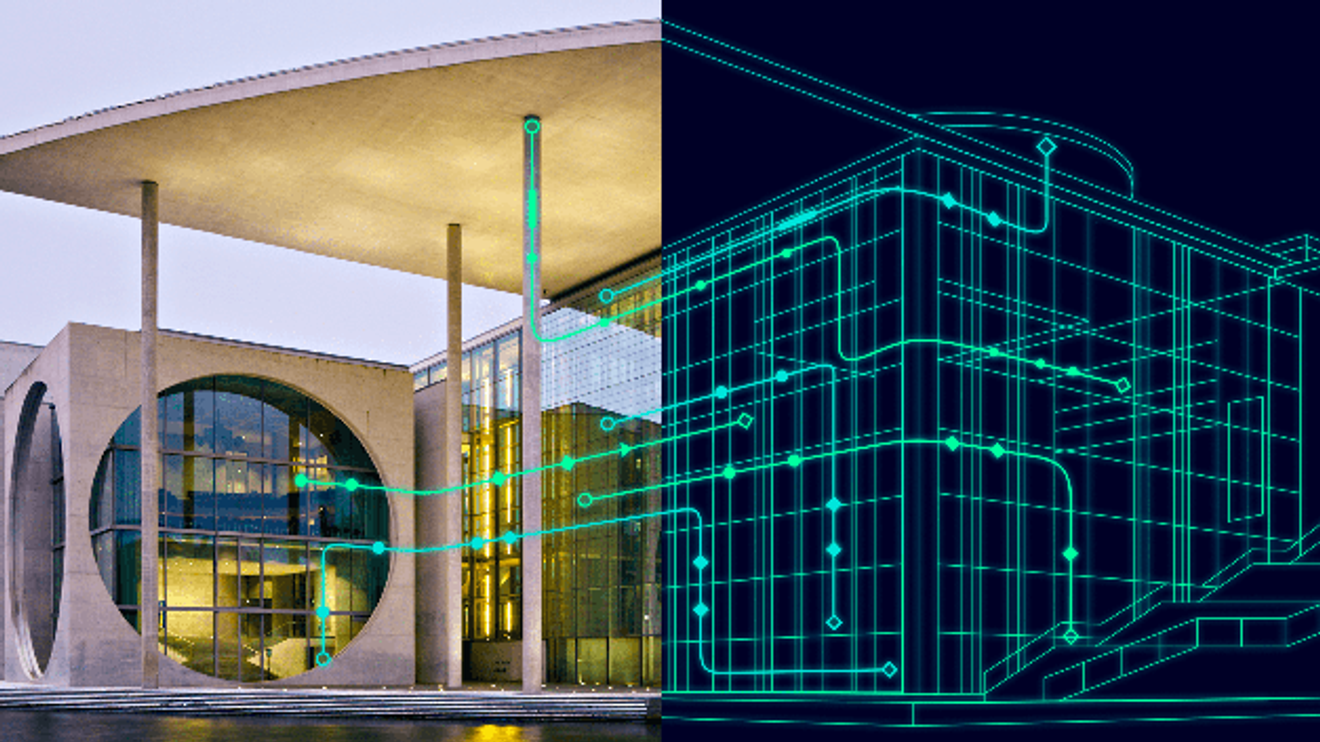
In a collaborative move with the W3C Consortium, Siemens and Microsoft have announced their commitment to converge the Digital Twin Definition Language (DTDL) with the Thing Description standard from international standards organization, W3C.
By unifying both languages, customers are offered consistent modeling experiences, mitigating fragmentation in an evolving IoT landscape. With customers typically deploying a mix of vendors in their infrastructure leading to lock-in and high integration efforts, this convergence will allow for simpler system integration and interoperability.
As virtual replicas of physical objects, processes, or systems that mirror their real-world counterparts in a digital environment, digital twins enable organizations to monitor, predict, and improve the performance of their assets, enhancing efficiency and reducing costs. Standardizing Digital Twin languages is therefore crucial for interoperability, ensuring seamless communication and integration between different digital twin systems and platforms.
With Siemens already facilitating the emerging W3C Thing Description standard for future products in building management, power distribution and smart grids, extending this interoperability strategy to Microsoft Azure will bring about substantial benefits to customers.
Microsoft's Digital Twin Definition Language enables modeling of the physical world with Azure services, while the W3C Thing Description standard provides an interoperable representation of device interfaces and their incorporation of standard industry ontologies. Both languages have revealed many conceptual similarities during the initial stages of convergence.


Das könnte Sie auch interessieren
Digitaler Zwilling im Einsatz für die Umwelt
Eine hessische Gemeinde möchte bis zum Jahr 2030 klimaneutral werden, indem sie einen Digitalen Zwilling zur Umweltmodellierung einsetzt. Der Digitale Zwilling nutzt Umweltdaten und 3D-Simulationen, um die realen Bedingungen nachzubilden.
 mehr...
Siemens verkauft Innomotics für 3,5 Mrd. Euro
Siemens verkauft Innomotics für 3,5 Mrd. Euro an KPS Capital Partners. Noch im November waren Vorbereitungen für einen Börsengang des Herstellers für Elektromotoren und Großantriebe angekündigt.
mehr...Digitalisierung durch fotorealistische Digital Twins
Framence hat eine strategische Partnerschaft mit dem indischen Unternehmen Pratiti bekanntgegeben. Ziel ist, Unternehmen bei ihrer digitalen Transformation zu unterstützen, indem sie digitale Zwillinge von Framence mit dem digitalen...
mehr...Siemens und UL Solutions digitalisieren Zertifizierungsprozess
Erstmals wurde ein Industrieprodukt für die USA zertifiziert, nachdem einige der erforderlichen Tests digital simuliert und die Ergebnisse durch physische Tests bestätigt wurden. Möglich wurde dies mit Hilfe des digitalen Zwillings.
mehr...Der digitale Zwilling im Praxiseinsatz
Ein digitaler Zwilling ist nicht nur eine virtuelle Instanz eines physischen Objekts, sondern auch eine universell einsetzbare IT-Applikation, um – wie in dem beschriebenen Praxisbeispiel – die Anforderungen einer Wireless-Modem-Retrofit-Anwendung...
mehr...Digitaler Zwilling - konkret!
Ein definierter Standard der Verwaltungsschale ist entscheidend für den interoperablen und effizienten Austausch von Daten des digitalen Zwillings - soviel zur Theorie. Neun Partner zeigten auf der Hannover Messe wie ein konkreter Anwendungsfall...
mehr...Digital Twin Consortium / OPC Foundation
Der digitale Zwilling in der Fertigung
Das Digital Twin Consortium (DTC) und die OPC Foundation haben jetzt eine Zusammenarbeit bekannt gegeben, um die Entwicklung und Einführung von Technologien für den digitalen Zwilling zu beschleunigen.
mehr...Erster Steuerschrank aus grünem Stahl
Die Siemens-Tochter Alpha Verteilertechnik bietet nach eigenen Angaben den ersten, komplett aus grünem Stahl gefertigten Steuerschrank für die Industrie an.
mehr...Siemens-Quartalszahlen Q3-2024
Siemens bestätigt Prognose mit einem »Aber«
Siemens kämpft im dritten Quartal mit einem schwächelnden Automatisierungsmarkt. Stark hingegen entwickelt sich das Softwaregeschäft. Ob das nach dem Umstieg auf ein SaaS-Modell so bleibt, wird sich zeigen.
mehr...