

Too strict or too weak?
EU regulation for AI divides
How risky is the use of artificial intelligence? The EU has now presented rules to make the dangers of computer technology manageable. For some, this goes too far, others complain about excessive restrictions.
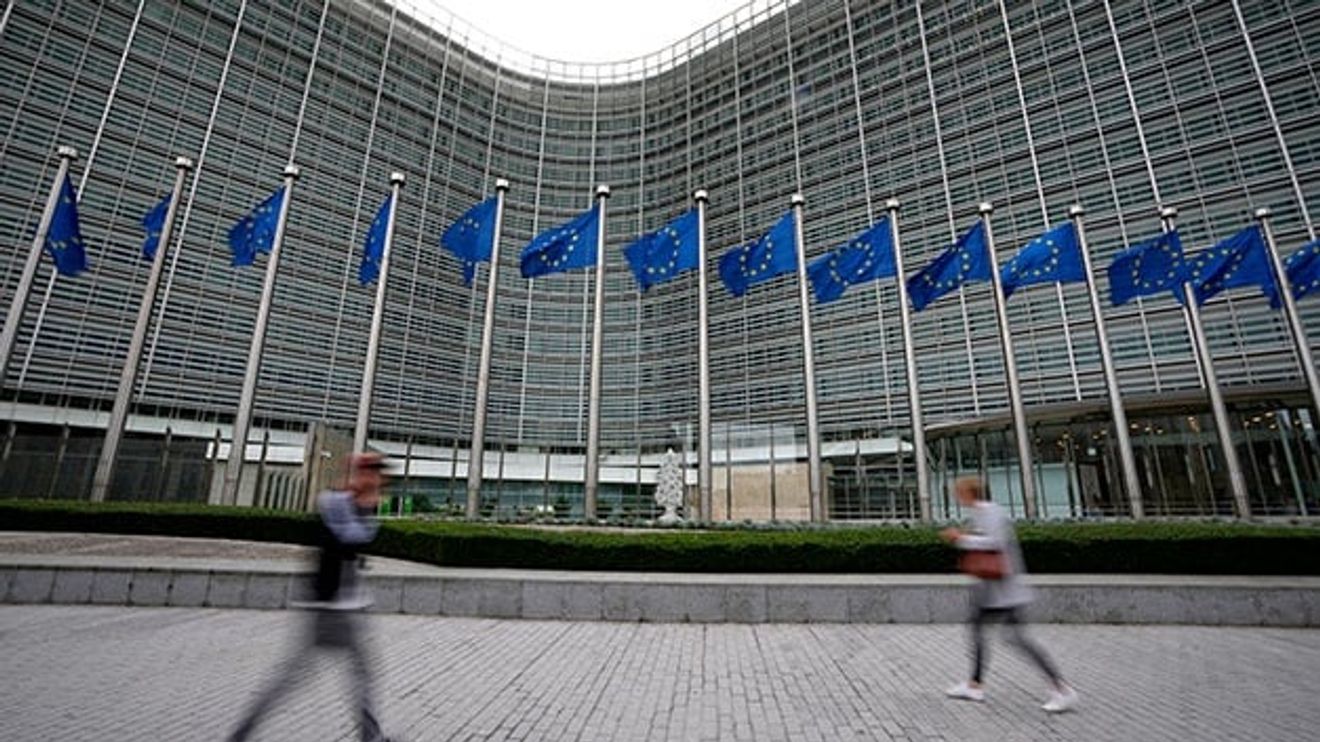
Brussels/Berlin (dpa) - The European Union (EU) agreed on rules for the use of artificial intelligence (AI) shortly before the weekend. The European Parliament and the EU member states emphasized that these are the world's first rules for AI. However, there is criticism from two sides. Some consider the rules to be too strict, others too lax. The business community fears that the future EU regulation will stifle innovation. Consumer advocates believe that the risks of some applications are not being taken seriously enough.
According to the Federation of German Industries (BDI), Europe is now at risk of falling behind when it comes to the key technology of AI. "With the comprehensive regulation of basic AI models and AI applications, the AI Act is jeopardizing the ability to compete and innovate on both the manufacturer and user side," said BDI Managing Director Iris Plöger. The regulation is based on immature criteria that provide companies with less rather than more legal certainty.
Industry associations criticize deep intervention in technology
The technology industry association Bitkom spoke of a "political showcase success at the expense of the economy and society". The compromise reached interferes deeply with technology. "The EU is tying a regulatory block on companies' legs. There is a great risk that European companies will not be able to keep up with rapid technological developments in the future due to impractical plans," said Bitkom CEO Bernhard Rohleder.
The European consumer protection organization Beuc, on the other hand, criticized the EU for relying too much on the goodwill of companies to regulate themselves. "For example, virtual assistants or AI-controlled toys are not sufficiently regulated as they are not considered high-risk systems. Systems such as ChatGPT or Bard are also not given the necessary guardrails so that consumers can trust them," it said.
Consumer protection satisfied: Biometric categorization systems banned
German Consumer Protection Minister Steffi Lemke (Greens), on the other hand, sees the AI regulation as protection for consumers against the risks of the new technology. "During the negotiations, we were particularly committed to ensuring that AI systems are transparent, comprehensible and verifiable. In future, companies that offer the use of AI technologies will have to provide information on how their systems work and explain AI-based decisions," reported Lemke on Saturday. In the event of violations, consumer associations could take legal action against this.
The proposed regulations set out obligations for AI based on its potential risks and impacts. AI is classified as particularly risky if it has the potential to cause significant damage to health, democracy, the environment or safety, for example.
Certain applications are completely banned, such as biometric categorization systems that use sensitive characteristics such as sexual orientation or religious beliefs. The untargeted reading of images from the internet or from surveillance footage for facial recognition databases will also not be permitted. However, there will be exceptions for biometric identification in public spaces in real time, for example in the event of a terrorist attack or the targeted search for victims of human trafficking. This point was the subject of intense debate; the EU Parliament actually wanted a complete ban.
Transparency obligation for certain models
Another point of contention was the regulation of so-called base models. These are very powerful AI models that have been trained with a broad set of data. They can form the basis for many other applications. This includes GPT, for example. Germany, France and Italy had previously demanded that only specific applications of AI should be regulated, but not the basic technology itself. The negotiators have now agreed on certain transparency obligations for these models.
The Federal Minister for Digital Affairs, Volker Wissing (FDP), refrained from making a final assessment. On the one hand, certain systems were prevented from falling into the high-risk area; on the other hand, the regulations must enable innovation and be proportionate, he said on Saturday. "We will take a very close look at whether this has been achieved over the next few days."


You might also be interested in
Questions and answers on the EU "AI Act"
Artificial intelligence to be more closely regulated
For some, artificial intelligence is the promise of the future, for others it is a major threat. The EU has now agreed on rules in a marathon meeting. In Brussels, this is being celebrated as "historic" - but what does it mean?
 read more...
Hubertus Heil on a summer trip
Battle for future jobs - digital, clean and safe?
Robots are on the rise - but Labor Minister Heil does not want to leave the jobs in Germany to them. Will the digital world of work become cleaner and less stressful or risky and precarious?
read more...93 percent of users feel threatened by cybercrime
Large-scale cyber attacks often target public institutions and companies. But many private individuals also feel threatened.
read more...AI on the way to the ERP verse
The Hamburg-based IT market research and consulting firm SoftSelect summarizes the ERP trends that are driving the market and what companies should look out for when selecting suitable ERP software in the "ERP Software 2023" study.
read more...Digital sector continues to grow
The consequences of the war in Ukraine, disrupted supply chains and inflation are currently affecting many companies in Germany. The digital economy is coping better with the difficult conditions than most other sectors.
read more...Cyberattacks the biggest threat to companies worldwide
Online extortion is a booming business for criminals. The number of cyber attacks is constantly increasing, and companies' fears are growing accordingly.
read more...Bundestag tightens IT security law
Shortly before the end of the legislative period, the German government reformed the IT Security Act. For a long time, the debate centered on the question of whether Huawei technology could be used in the 5G expansion. The legal basis for this has...
read more...Digitization is accepted
Nine out of ten mechanical and plant engineering companies are open to digital technologies and innovations - according to a representative survey conducted by Bitkom Research on behalf of IT service provider Tata Consultancy Services (TCS).
read more...Bitkom on artificial intelligence
Massive implementation problems with AI
Artificial intelligence is a megatrend. Machine learning in particular is on the rise, according to the digital association Bitkom. However, there is still a lack of implementation.
read more...